
Certifications
Proper certification helps you choose TUFFA workwear with confidence in its safety, quality and protective performance. Explore the standards and testing behind our garments below.
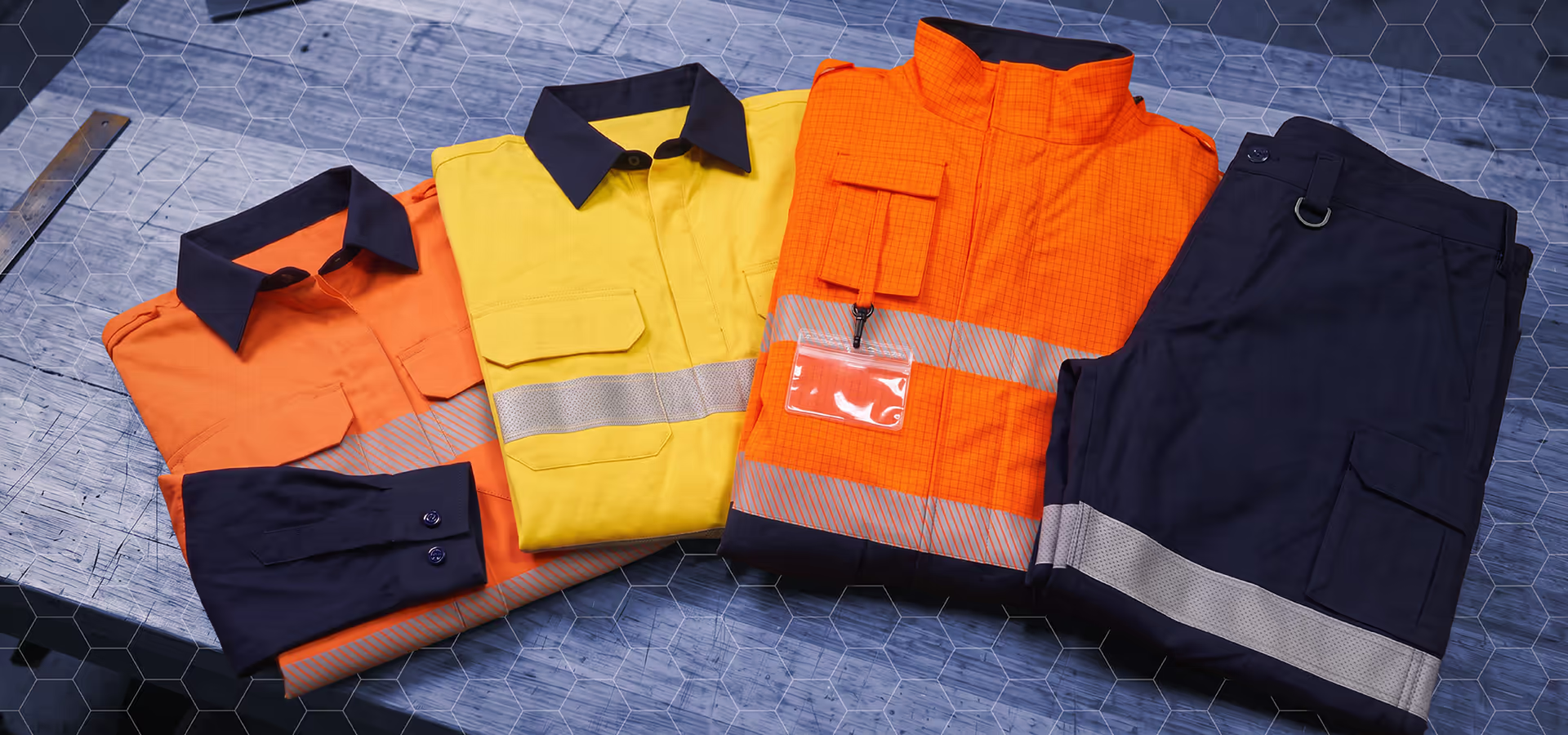
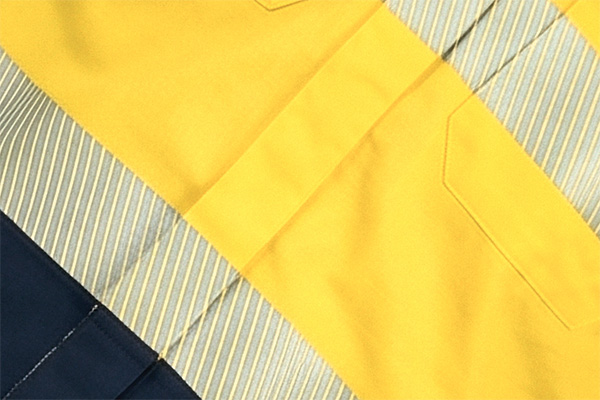
Every Tuffa Garment is built to protect, and that protection has to hold up against recognised industry standards, not just marketing claims. From arc flash and flash fire protection through to UV resistance and anti-static performance, our workwear is tested and certified against the Australian, New Zealand, and international standards relevant to the hazards our customers face on the job. Below is an overview of the certifications behind our range and what each one means for the people wearing it.
NFPA 70E
A portion of the standard addresses safety-related work practices including gloves, sleeves, footwear, head protection, face, and eye protection as well as protective apparel. A key part of the standard establishes PPE categories, formerly hazard-risk categories (HRC), which define the level of arc rating needed by clothing to perform specific hazardous tasks where the potential for an arc flash exists. The standard identifies a specific category for each type of work normally performed by electrical workers.
Arc Thermal Performance Value
ASTM-F1959 is a standard test method for measuring the arc rating of materials used in clothing for protection against electric-arc thermal hazards.
ATPV, or Arc Thermal Performance Value, is the measure of the amount of thermal energy a fabric can withstand before it no longer protects the wearer from arc flashes. It's measured in calories per square centimetre (cal/cm²) and represents the exposure level at which there is a 50% probability the wearer would sustain a second-degree burn. The higher the ATPV rating, the more protective the fabric is against electrical arc hazards.
ENA NENS 09
This is the national guideline for selection, use and maintenance of PPE for electrical arc protection. A portion of this guideline addresses the design of the clothing to be compliant to the guideline.
Oeko-Tex Standard 100
Oeko-Tex Standard 100 certification is our promise of purity. It means the fabric that touches your skin is 100% non-toxic, free of aromatic amines, sensitizing dyes and cancer risk dyes, because your safety is our utmost priority, inside and out.
Flash Fire Protection - NFPA 2112
This standard is for clothing used in protection against industrial flash fire hazards, typically seen in petrochemical and oil and gas industries.
Vertical Flame Test - ASTM D6413
The vertical flame test has been used for many years. Its purpose is to determine whether a fabric will continue to burn after the source of ignition is removed.
Hi-Visibility Day/Night - AS/NZS 4602.1.2024
Tuffa's garments are designed to comply with the requirements for design and reflective materials for Day and Night compliance.
Hi-Visibility Fabric & Materials - AS/NZS 1906.4:2023
Tuffa's Hi-Vis garments and reflective materials are manufactured to comply with AS/NZS 1906.4:2023 for Hi-Vis materials.
UV Protection - AS/NZS 4399:2020
With Tuffa's adherence to AS/NZS 4399:2020 standards, each garment is a shield against the harsh sun. Our UV protection ensures that while you're taking on the day, the harmful rays are kept at bay, allowing you to work under the sun, not in the shadow.
Anti-Static - EN1149.5
EN 1149-5 is well known as the standard for anti-static protective apparel.
Flame Resistant Protection - EN/ISO 11612
Garments made with flame resistant materials, whether treated or inherent, are non-flammable. These materials are manufactured to prevent the spread of fire and will not melt or drip when exposed to a flame in proximity.
Not sure which certification your role requires?
Choosing the right protective workwear depends on the specific hazards of your workplace. If you're not sure which standards apply to your team, get in touch with us and we'll help you find the right garments for the job.