
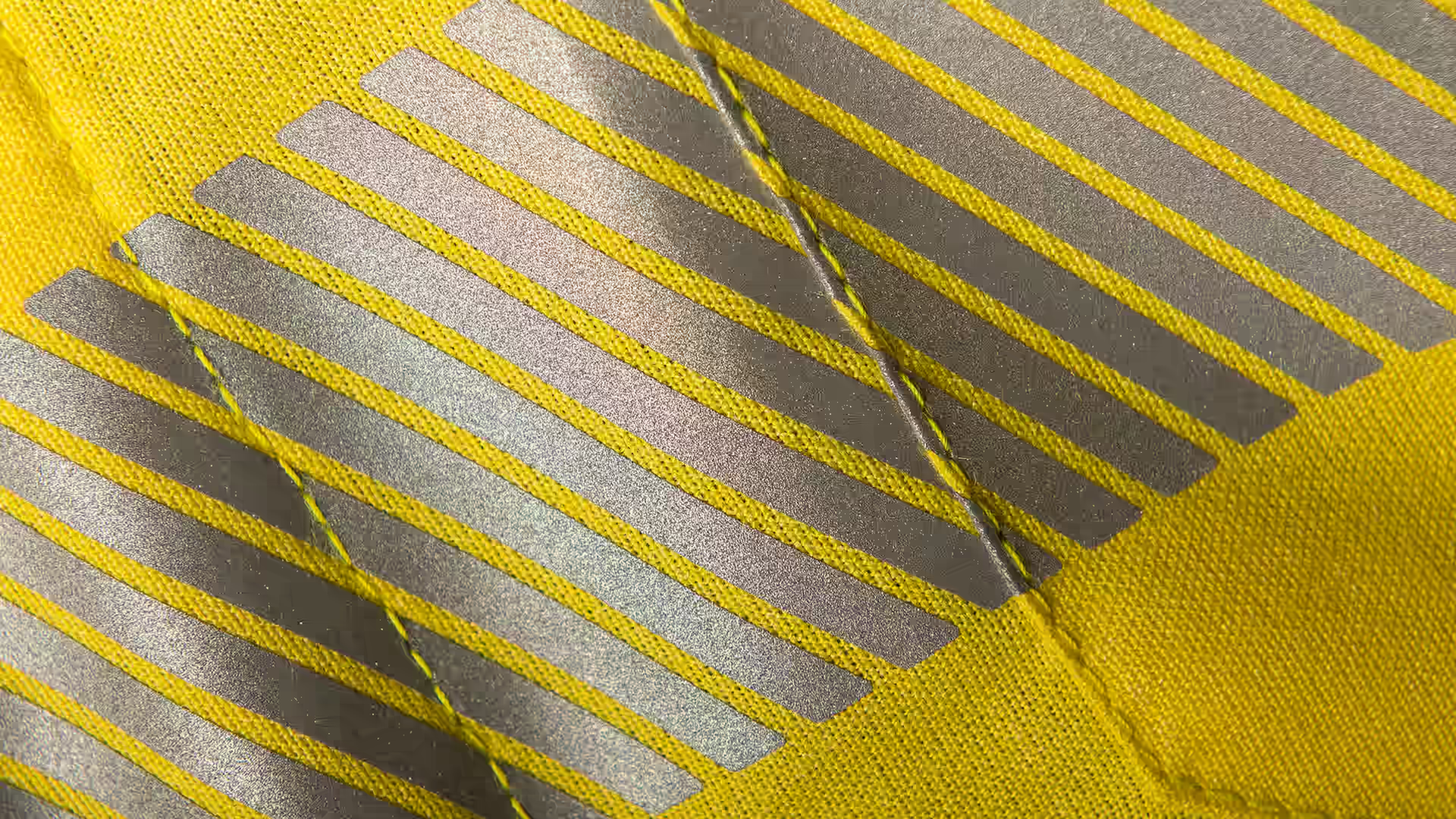

Hi-vis workwear relies on two materials doing different jobs. Fluorescent fabric makes the wearer stand out in daylight. Retroreflective tape provides visibility in low light and at night by returning light from sources such as vehicle headlights back towards the viewer.
How that tape is attached affects how the garment feels, how it handles laundering and how well it holds up over time. Both heat-applied and sew-on reflective tape are suitable for hi-vis workwear. The right choice depends on the job, the conditions and how the garment will be cared for.
Heat-Applied vs Sew-On: What's the difference?
Heat-applied reflective tape is also called iron-on or heat-seal tape. It has an adhesive backing that's bonded to the fabric with heat and pressure. There's no stitching, so the tape sits flush and moves with the garment. It's often cut into segments, which adds flexibility.
Sew-on reflective tape is stitched to the garment, and you can see the stitch lines along the tape. It's held in place mechanically rather than by adhesive. That can make it well suited to garments facing rough wear and more demanding laundering conditions.
On flame-resistant workwear, the tape is part of the protective package too. We use flame-resistant tape on its taped FR/ARC shirts.
Key differences at a glance
Appearance: Heat-applied tape has a flush, clean finish and is often segmented. Sew-on tape shows visible stitching along its length.
Wear risks: Each type is vulnerable in a different way:
- Heat-applied: the adhesive bond can lift or peel if exposed to high heat or abrasion.
- Sew-on: Our care guidance notes that excessive heat can cause the tape's reflective beads to come away, reducing reflectivity.
Washing: We recommend a warm wash up to 40°C for heat-applied tape garments and up to 60°C for sew-on. For both types:
- wash inside out
- don't use bleach
- use synthetic detergents
- line dry out of direct sunlight
- don't iron directly over the tape
Best suited to: Heat-applied tape suits jobs where comfort, flexibility and freedom of movement come first. Sew-on tape suits situations where durability and tougher wash conditions are the priority.
Visibility, safety & compliance
Reflective tape contributes to visibility when the right material is used in the right amount and positioned correctly on the garment. That's where standards come in.
In Australia, the relevant garment standard is AS 4602.1, High visibility safety garments, Part 1: Garments for high risk applications. It was revised in 2024 as an Australian-only edition, AS 4602.1:2024. The earlier joint AS/NZS 4602.1:2011 edition remains current in New Zealand. The fluorescent and reflective materials themselves are covered by AS/NZS 1906.4.
Here's the important part: having reflective tape doesn't make a garment compliant. Compliance depends on the whole garment being tested to the relevant standard. That includes the fabric, the tape, how much of each is used and where it's placed. The attachment method alone doesn't decide it.
We list the standards each garment is certified to on its product page, including the edition. Check that against what your site or contract requires.
Maintenance matters too. Hi-vis clothing is personal protective equipment. PPE needs to be kept in good working order and repaired or replaced when it's no longer up to the job. Tape that's peeling, cracked or dull isn't delivering the visibility it was designed for.
Which reflective tape is right for you?
Neither option is better across the board. Work through these questions:
- How will the garment be laundered? If garments go through regular industrial or commercial laundering at higher temperatures, sew-on tape can be a better fit. Heat-applied tape may be more appropriate where gentler washing is used.
- How demanding is the work? If garments face heavy abrasion, snagging or constant wear, durability becomes more important. Sew-on tape may be worth considering.
- Is comfort or heat stress the bigger concern? If so, heat-applied tape's lighter, more flexible finish may suit. Look at tape design too, such as perforated tape that helps air move around the body.
- What does your site or contract require? Confirm the required standard, edition and class before choosing a garment. Some sectors, such as rail, set their own requirements.
- How will garments actually be cared for? Both tape types depend on proper care, so choose the one that matches the washing and maintenance your garments will really get.
Choosing the right Hi-Vis workwear
Tuffa's FR/ARC range includes garments with both tape types. A few examples:
- The Men's Shirt Open Front with Industrial Wash Sew on Tape PPE2 is designed with industrial washing in mind.
- The Men's Shirt Open Front Perforated Tape PPE2 uses lightweight 50mm flame-resistant perforated tape to help reduce heat stress.
- For rail crews, Tuffa also offers VIC Rail and NSW Rail compliant shirts.
Once your workwear is in service, Tuffa's care and maintenance guide covers washing for each tape type. Tuffa Laundry provides specialised laundering, inspection and in-house repairs for FR/ARC garments.
Explore Tuffa's shirt range, or talk to the team if you're not sure which tape suits your work.
Ready to partner with Tuffa?
Whether you're sourcing protection for your workforce or looking to stock Australia's leading FR/ARC range, our specialists are ready to help with expert guidance and competitive solutions.