
Heat stress at work: what Queensland, Western Australia and New South Wales workers need to know
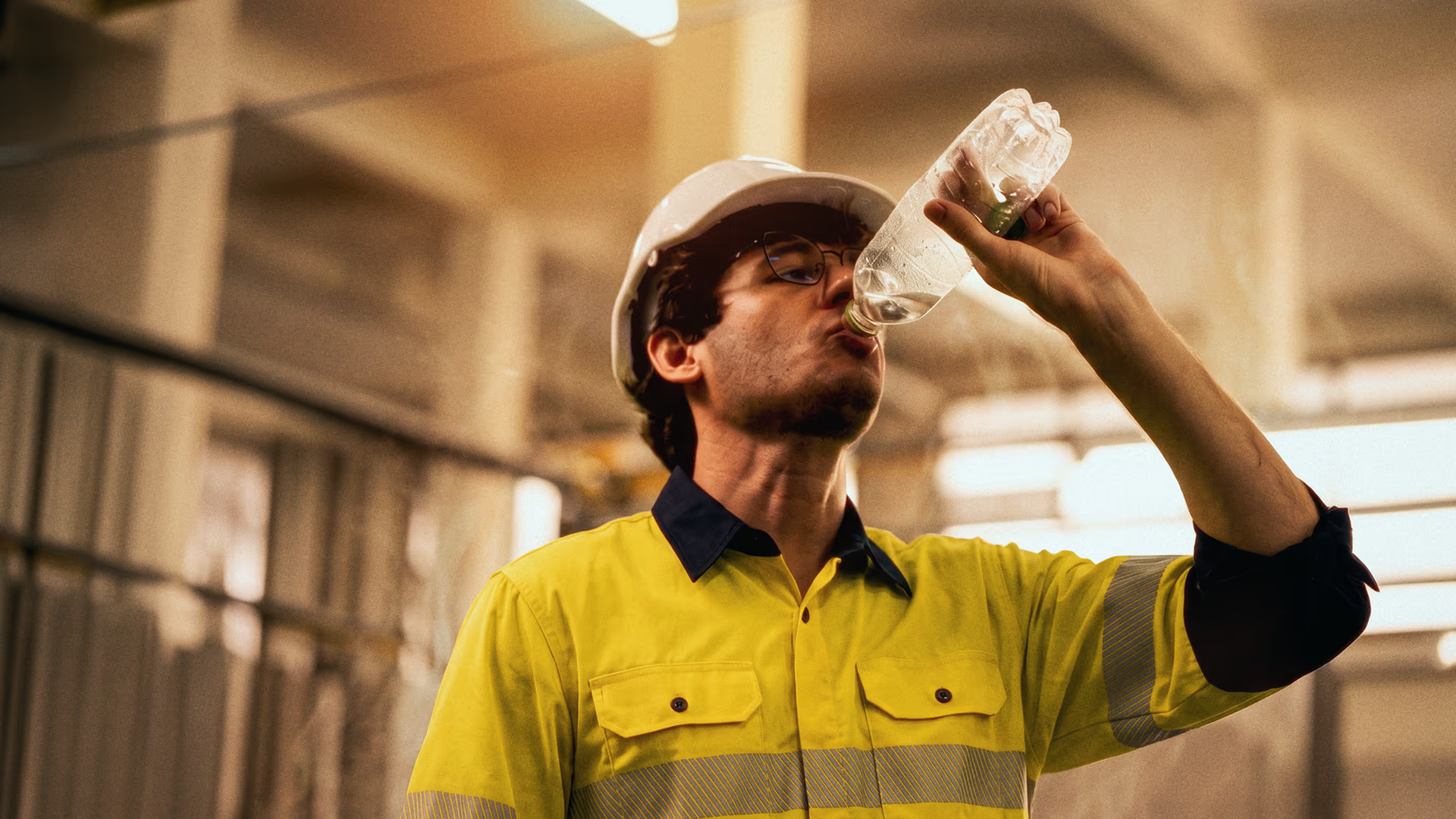

Heat stress is the total heat load on the body from the environment, the work and what you're wearing. When the body can't shed that heat fast enough, workers can develop heat-related illness, from cramps and fatigue through to heat stroke, a medical emergency. For anyone working outdoors, near hot processes or in physically demanding roles, it's a core safety issue.
What is heat stress?
Air temperature is only part of the picture. Humidity slows sweat evaporation, the body's main way of cooling down. Direct sun, radiant heat from surfaces and hot processes, workload, exposure time, acclimatisation, fitness, health, and clothing or PPE that traps heat all add to the risk.
Safe Work Australia and Queensland workplace safety guidance recognise that heat risk depends on more than air temperature alone. Employers must eliminate or minimise heat risks so far as reasonably practicable, which can include rescheduling or cancelling work.
Heat stress guidance in QLD, WA and NSW
In all three states, the employer or business (PCBU) is responsible for managing heat as a workplace hazard. The differences lie mainly in the tools and emphasis each regulator provides.
Queensland. Workplace Health and Safety Queensland offers a free Heat Stress (basic) calculator as part of a three-level assessment approach. It runs from a basic check through to technical measurement and physiological monitoring for high-risk work. Where heat stroke is a risk, emergency plans must cover it.
Western Australia. WorkSafe WA recommends assessment by a competent person, using indices such as Wet Bulb Globe Temperature and Thermal Work Limit. It also highlights acclimatisation for FIFO workers. WA's general and mines regulations both require clean drinking water to be readily accessible.
New South Wales. SafeWork NSW focuses on the hierarchy of controls, including scheduling, shade, cool rest areas, mechanical aids and buddy systems. Its guidance suggests rest breaks about every hour. Those breaks should become longer and more frequent as conditions worsen, up to 30 minutes an hour, but this is guidance that scales with conditions rather than a fixed entitlement.
How can workwear affect heat stress?
Protective clothing is essential where workers face flame, arc flash or other hazards, but it can also trap heat and slow sweat evaporation. WorkSafe Queensland notes that long work clothing isn't itself a cause of heat illness, and outdoor workers still need UV protection.
The answer isn't removing or modifying required PPE. It's choosing compliant garments with breathable fabrics, strategic venting, a comfortable fit, and tape and construction that allow appropriate airflow.
Practical ways to reduce heat stress at work
Heat stress prevention is a workplace system, not just a reminder to drink water. Key controls include:
- Schedule heavy work for cooler times.
- Provide shade or cool rest areas near the work.
- Use mechanical aids and rotate tasks.
- Keep cool drinking water close by.
- Plan acclimatisation for new and returning workers.
- Train workers, and have first aid and emergency procedures ready before hot weather arrives.
Recognising the signs of heat stress
Early signs include fatigue, headache, dizziness, cramps, nausea and poor concentration. Confusion, slurred speech, collapse or seizures can indicate heat stroke. If you see these, call 000. SafeWork NSW notes that heat can impair judgement, so workers may not recognise their own symptoms, which is why supervisors and co-workers need to know the signs too.
Choosing workwear for hot conditions
Start with the protection and standards the job requires. Then weigh up fabric weight, breathability, venting, fit, reflective tape design and laundering needs.
A few examples from our FR/ARC range:
- The Men's Shirt Open Front Moisture Management PPE2 is lightweight and breathable, with 50mm flame-resistant perforated tape designed to improve airflow.
- The Men's Shirt Open Front Vented PPE2 has underarm and back venting.
- The Men's Trouser Cargo Vented PPE2 has back leg vents.
- MULTITEK™ garments use lighter fabric in the upper body for breathability and heavier fabric where abrasion resistance matters most.
Reflective tape construction also influences flexibility and airflow. Our guide to Heat-Applied vs Sew-On Reflective Tape explains the differences.
Explore our shirts and trousers, or talk to our team about workwear for your conditions.
Ready to partner with Tuffa?
Whether you're sourcing protection for your workforce or looking to stock Australia's leading FR/ARC range, our specialists are ready to help with expert guidance and competitive solutions.